AI & Agents
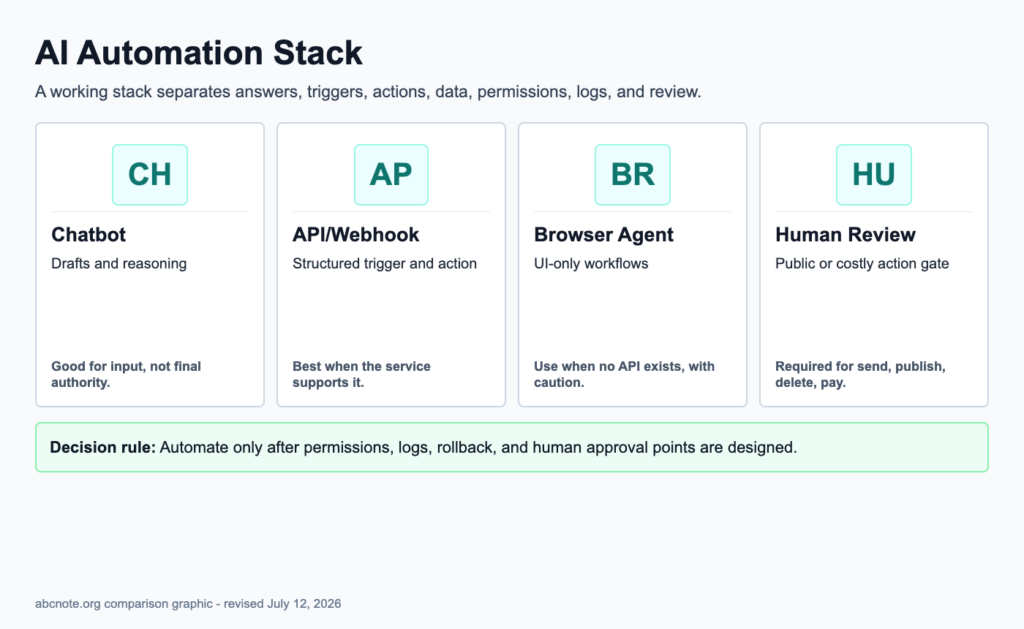
AI Automation Stack Explained: Chatbots, APIs, Webhooks, Browser Agents, and Review
Map a safer AI automation stack across chatbots, APIs, webhooks, browser agents, permissions, logs, and human review checkpoints.
Local models, GPUs, VRAM, NPUs, private inference, AI PCs, and self-hosted AI systems.
Map a safer AI automation stack across chatbots, APIs, webhooks, browser agents, permissions, logs, and human review checkpoints.

Compare Thunderbolt 4, USB4, and USB-C by speed, display support, charging, cable labels, dock compatibility, cost, and common buying mistakes.
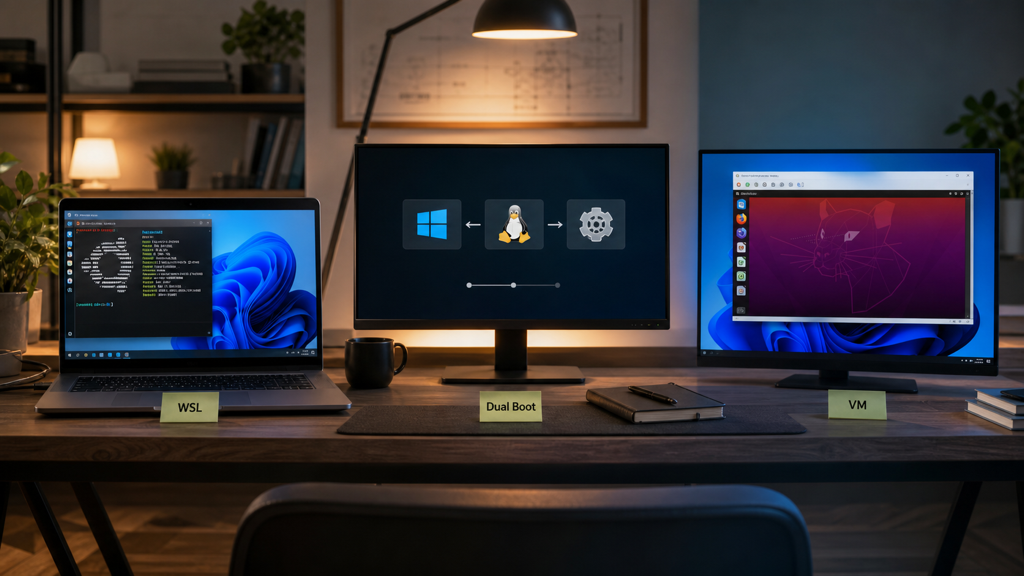
Secure Linux Setup guide comparing WSL, dual boot, and virtual machines by performance, disk space, isolation, GPU needs, risk, and developer workflow.
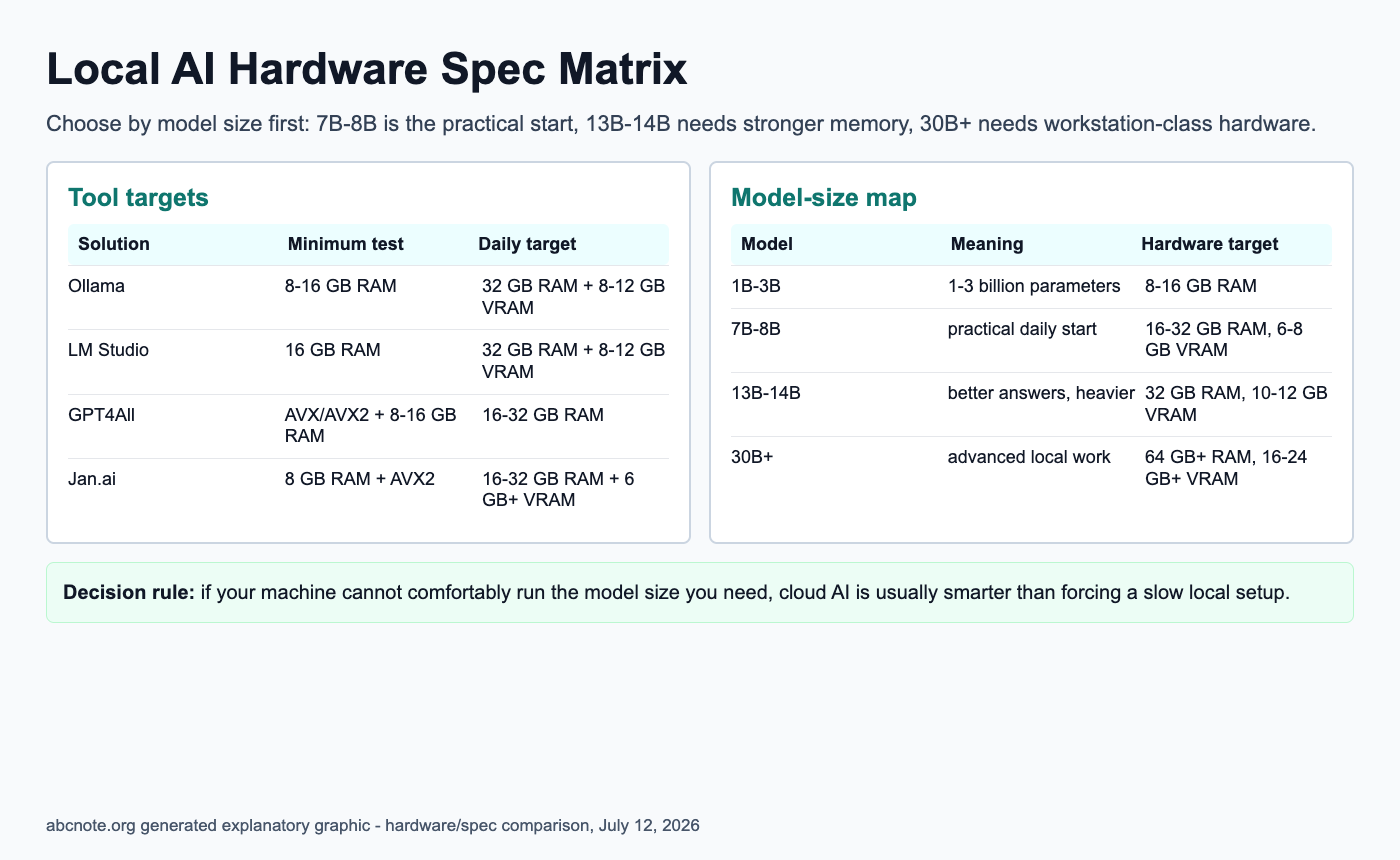
CPU, GPU, NPU guide for local AI hardware choices by privacy, speed, model size, RAM, VRAM, battery, cost, and offline limits.
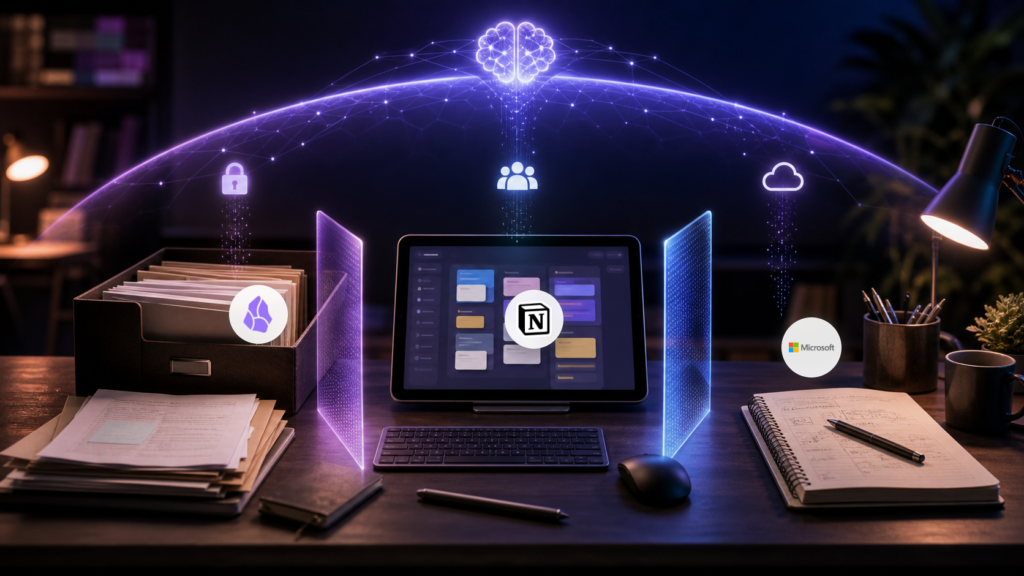
Private Notes App guide comparing Obsidian, Notion, and OneNote by privacy, sync, AI workflow, offline use, collaboration, cost, and migration risk.

Secure File Sync guide comparing Syncthing, iCloud Drive, and Google Drive by privacy, control, platform support, backup gaps, collaboration, and recovery.
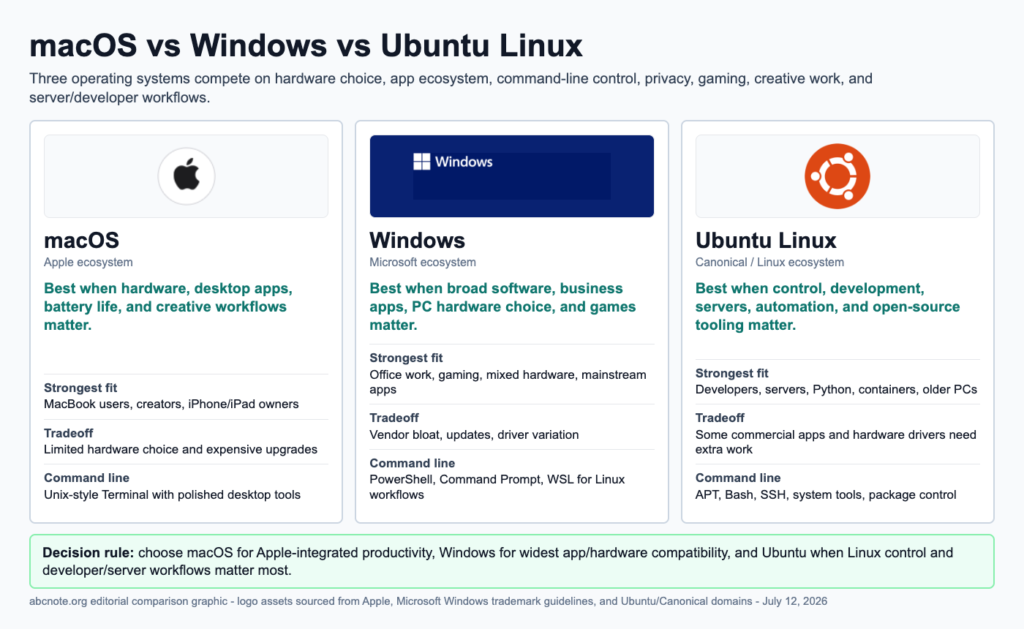
macOS, Windows, Ubuntu comparison guide for choosing an operating system by hardware, cost, app support, security, learning curve, privacy, and daily workflow fit.
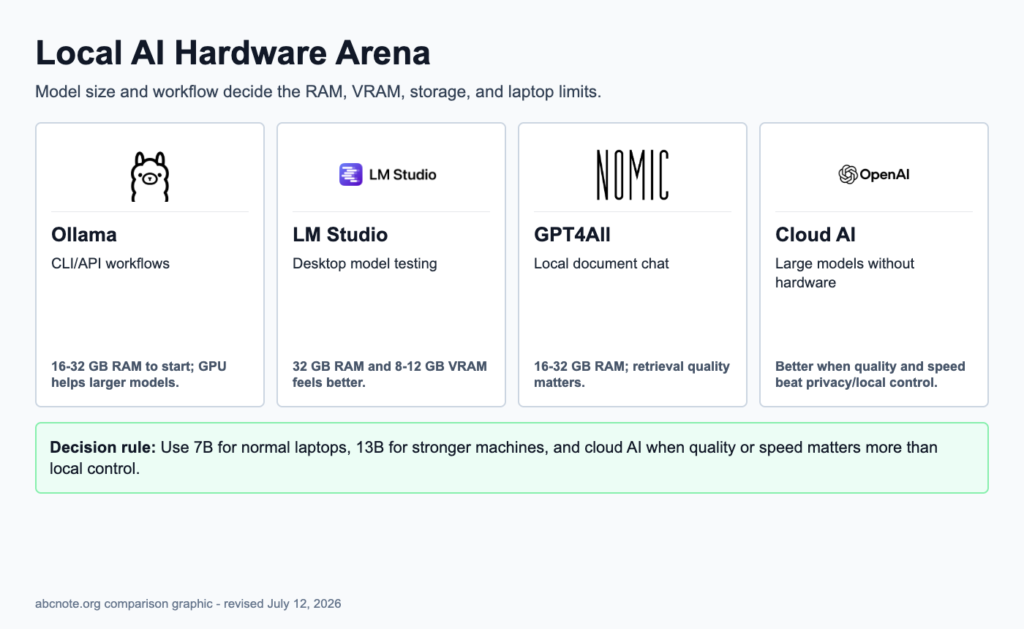
Choose realistic local AI hardware by RAM, VRAM, CPU, storage, cooling, model size, laptop limits, and the tool you plan to run.
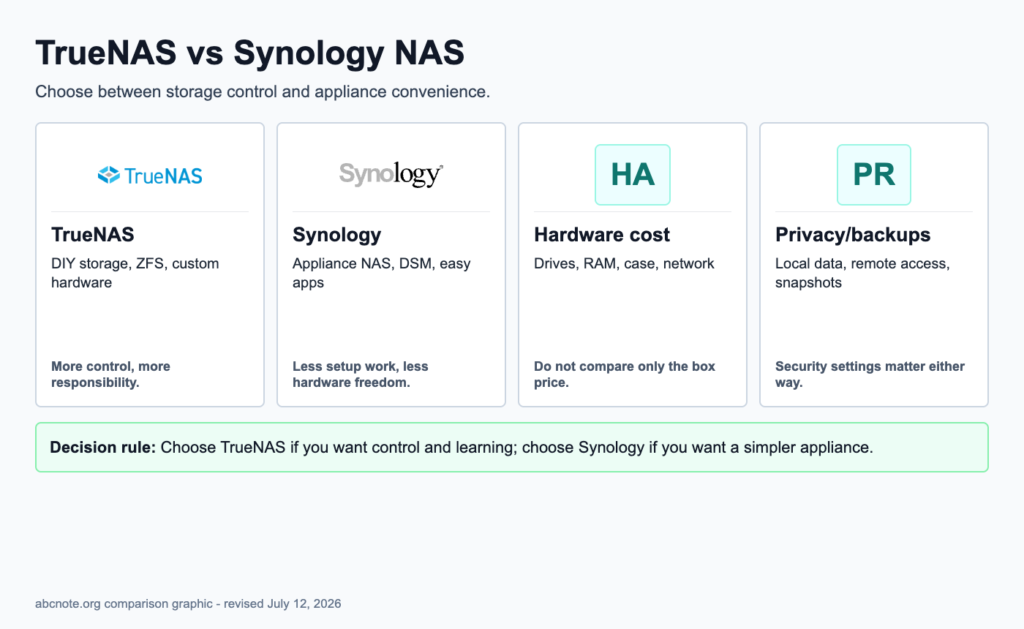
Compare TrueNAS and Synology for secure home-lab storage, ZFS, apps, backups, hardware cost, setup difficulty, and maintenance risk.
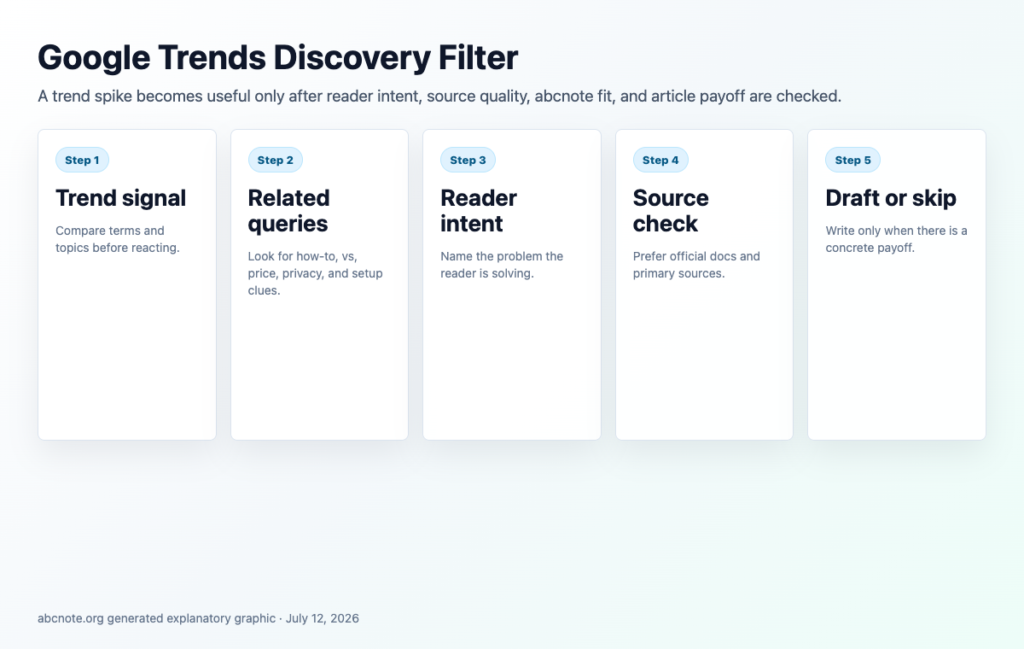
Google Trends guide for choosing tech topics without chasing noise by checking search intent, timing, region, related queries, and durable reader payoff.

Local or Cloud AI guide for choosing private, fast, and cost-aware AI workflows by hardware, data sensitivity, speed, limits, and security risk.
LM Studio Setup guide for testing local AI models safely by hardware, model size, RAM, privacy, downloads, performance, and workflow fit.