choose a blog domain: To choose a blog domain well, think beyond the first 30 posts. A good name should still make sense after the site expands into new tools, guides, and topics.
Blog Domain final checks
Blog Domain should give readers a practical decision before they leave the page. Confirm the official source, keep the examples current, and check the cost, privacy, setup difficulty, performance, and recovery tradeoffs that affect a real small site or home workflow.
Use the source link in this section as the current reference point: ICANN domain name registration resources. Product pages, policies, and pricing can change, so review them again before publishing.
Where this fits in the abcnote stack
Domain choice belongs in the site foundation cluster because the name shapes categories, internal links, topic expansion, Search Console queries, and whether readers understand why automation or home-lab articles belong on the same site. Continue with these public abcnote guides: AdSense Approval Checklist, WordPress Categories, Search Console Metrics.
Quick answer
Use this guide to make a cleaner decision, avoid beginner mistakes, and prepare a site that looks useful before monetization.
What You Will Learn
- How to avoid names that are too narrow
- What makes a domain memorable and expandable
- Which checks to run before buying
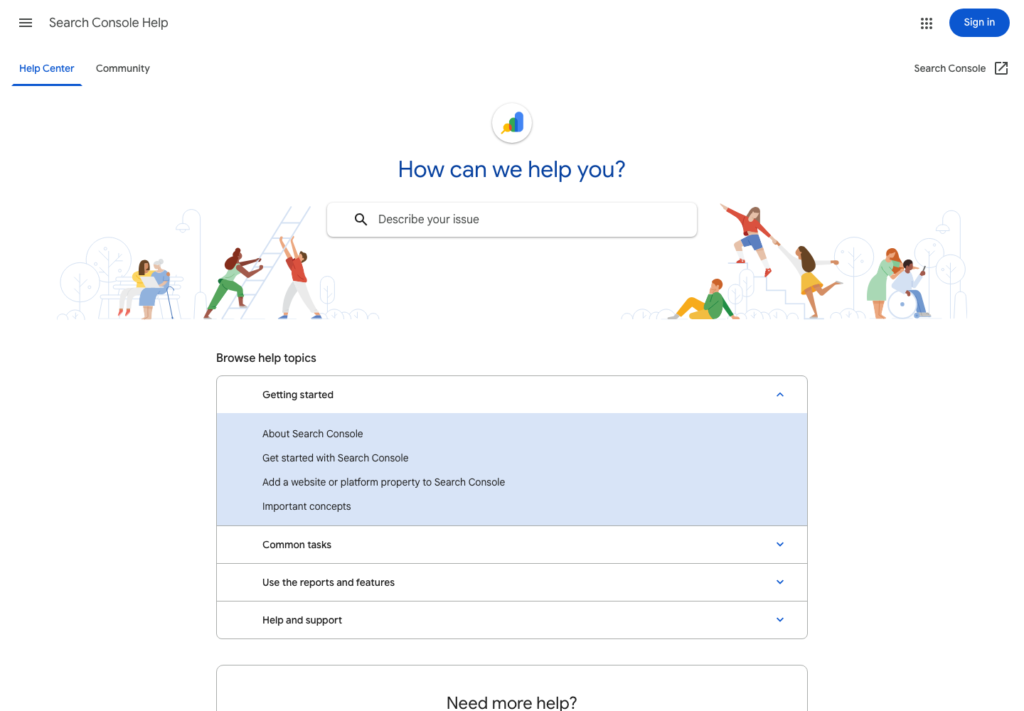
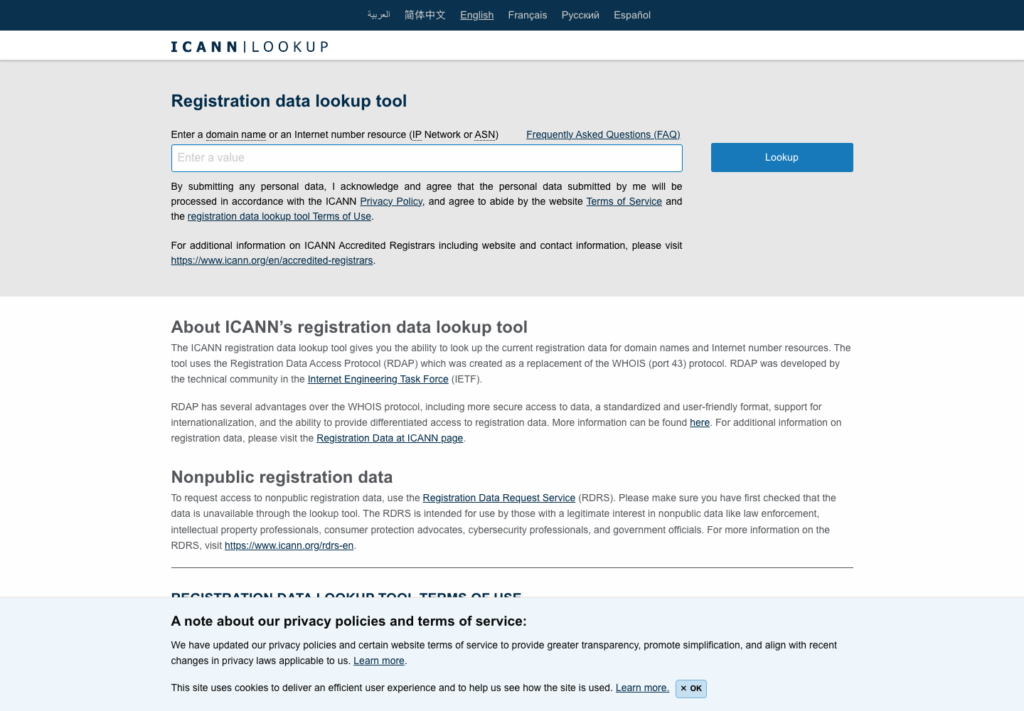
Reference Screenshots
These screenshots were captured from the relevant official sites while preparing this article. They are used as visual references so the guide feels concrete, not generic.
A domain name feels small when you buy it. Later, it can become a cage.
Many beginners choose a domain around their first content idea: a specific tool, a specific income goal, a specific trend, or a narrow keyword. That can work for a focused project. But if you are building a blog that may grow into WordPress guides, AI tools, SEO, automation, content strategy, and future topic clusters, a narrow name can become awkward quickly.
The best beginner domain is not always the most keyword-rich name. Often, it is a name that is easy to remember, easy to spell, and broad enough to hold the next version of the site.
Start with the future, not only the first post
Before choosing a domain, write down what the site might cover in one year.
For example, a new publishing site might begin with:
- WordPress setup
- AdSense approval preparation
- AI writing workflows
- SEO and AEO basics
- Search Console learning
- blog automation
Later, it might add:
- tool comparisons
- email marketing
- analytics
- creator workflows
- templates
- case studies
A domain like bestwordpressadsenseguideexample.com would be too narrow for that future. It describes an early angle, not the broader asset.
Brandable names versus keyword names
Keyword domains are easy to understand. A name like beginnerwordpressseo.com tells people what the site covers. The downside is that it can sound generic and limit expansion.
Brandable domains are more flexible. They may use a short invented word, a simple two-word phrase, or a broad concept. They do not explain everything immediately, but they can grow with the site.
For a long-term content project, I usually prefer a brandable domain with a clear category structure inside the site. The domain stays broad, while categories and article titles carry the search intent.
Example structure:
- domain.com/wordpress/
- domain.com/seo/
- domain.com/ai-writing/
- domain.com/automation/
This gives the site room to evolve without changing the brand every time the content strategy improves.
Keep spelling boring in a good way
A clever domain is less useful if people cannot spell it.
Before buying a domain, say it out loud and ask:
- Can someone spell it after hearing it once?
- Does it have confusing double letters?
- Does it sound like another word?
- Is it easy to type on mobile?
- Will autocorrect damage it?
- Does it look professional in lowercase?
Short is good, but clarity is better. A slightly longer name that people understand is often better than a short name people mistype.
Avoid names that lock you into one promise
Be careful with domains built around:
- guaranteed income
- a single tool
- a single platform
- a current trend
- a very specific audience
- a number that may age badly
A name that promises quick money can also reduce trust, especially for an AdSense approval-stage site. A site about blogging, AI, and automation should sound useful and credible, not like a shortcut scheme.
You can still write commercial-intent posts. The domain itself does not need to shout monetization.
Check for trademark risk
Do not build a domain around another company’s trademark unless you have a very clear reason and understand the risk.
For example, a domain that includes a platform or tool name may look relevant, but it can create branding and legal confusion. It can also become a problem if the site expands beyond that tool.
A quick search is not legal clearance. It is only an early warning. Before buying a serious brand domain, check search results, social handles, app stores, and trademark databases where appropriate.
Check the domain history
Before buying, check whether the domain was used before.
A previously used domain is not always bad, but it may have baggage. It could have old spam links, unrelated content history, blocked pages, or a reputation you do not want.
Basic checks include:
- searching the exact domain in Google
- checking whether social profiles already use the name
- looking at old snapshots if available
- checking whether the name has adult, gambling, spam, or scam associations
For a new AdSense site, clean history is valuable.
Think about categories before buying
A good domain should support your first categories without sounding strange.
If the site may cover WordPress, SEO, AI writing, and automation, the name should not feel limited to only one of those. Then the category structure can make the site specific.
A broad domain with focused categories is usually better than a narrow domain with random categories.
Do not buy too many domains too early
Buying domains feels productive, but it can become a distraction. A beginner content project does not need ten domain names. It needs one good domain, a clean WordPress setup, useful posts, trust pages, Search Console, and a publishing rhythm.
Buy one domain that can hold the first real site. Add more later only when a separate topic proves it deserves a separate brand.
A simple domain checklist
Before checkout, ask:
- Is it easy to spell?
- Is it easy to say?
- Is it broad enough for future categories?
- Does it avoid trademark terms?
- Does it avoid hype or guaranteed-income language?
- Is the social handle situation acceptable?
- Does the domain history look clean?
- Does it look good in lowercase?
- Can it support a serious About page?
If the answer is yes, the domain is probably good enough to start.
Do not wait forever for the perfect name. The domain matters, but the content system matters more. A strong blog is built by useful posts, clear structure, trustworthy pages, and steady improvement from search data.
Useful references: Google AdSense eligibility guidance, Google SEO Starter Guide.
Related reading
Before You Publish
- Confirm the title includes the focus keyword naturally.
- Check that the meta description is clear and not too short.
- Add one or two relevant internal links after related posts exist.
- Use only images that you own, created yourself, or have permission to publish.
- Keep the article ad-free until AdSense is approved and connected properly.
The practical goal is not to make the article look optimized only to a plugin. The goal is to make it readable, trustworthy, and useful enough that the optimization score reflects real quality.
Choose a name that can carry the next three clusters
A narrow domain can feel focused on day one and trapped on day one hundred. If the name only promises one micro-topic, adding AI automation, home-lab setup, privacy, or software comparisons later can feel random. A broader practical-tech name gives the site room to grow while still letting categories handle specificity.
The domain should be easy to say, easy to type, and hard to confuse with another brand. Check obvious spelling mistakes, social handles, trademark risk, and search results before committing. A clever name that readers cannot remember is weaker than a plain name that supports useful navigation.
After choosing the name, align categories with the promise. The WordPress categories guide helps prevent empty sections, while the AdSense approval checklist keeps trust pages and navigation grounded.
| Rule | Pass signal | Risk signal |
| Expandable | The name can cover WordPress, AI tools, automation, privacy, and home-lab decisions. | The name locks the site into one app, year, or tiny tactic. |
| Memorable | Readers can spell it after hearing it once. | Hyphens, odd spellings, or confusing numbers. |
| Trustworthy | No obvious trademark conflict or impersonation risk. | The name looks like a vendor, bank, or official support site. |
| Operational | Email, SSL, DNS, Search Console, and backups can be documented cleanly. | The domain setup is scattered across accounts nobody can recover. |
Final review before this draft is ready
Check the page on a phone before publishing. The title should wrap cleanly, the first paragraph should answer the visitor quickly, and every table should keep visible borders without forcing the reader to pinch and guess.
Use official pages for setup, pricing, policy, documentation, or product limits. If a platform changes often, phrase the recommendation as a decision rule and note that the source was checked in July 2026 rather than pretending the number will stay fixed forever.
The reader should leave with one clear next action: choose a host, create trust pages, protect the domain, simplify categories, or read Search Console signals before monetizing.