Korean food used to be introduced abroad through a small set of familiar names: kimchi, bulgogi, maybe bibimbap. That is no longer the whole story.
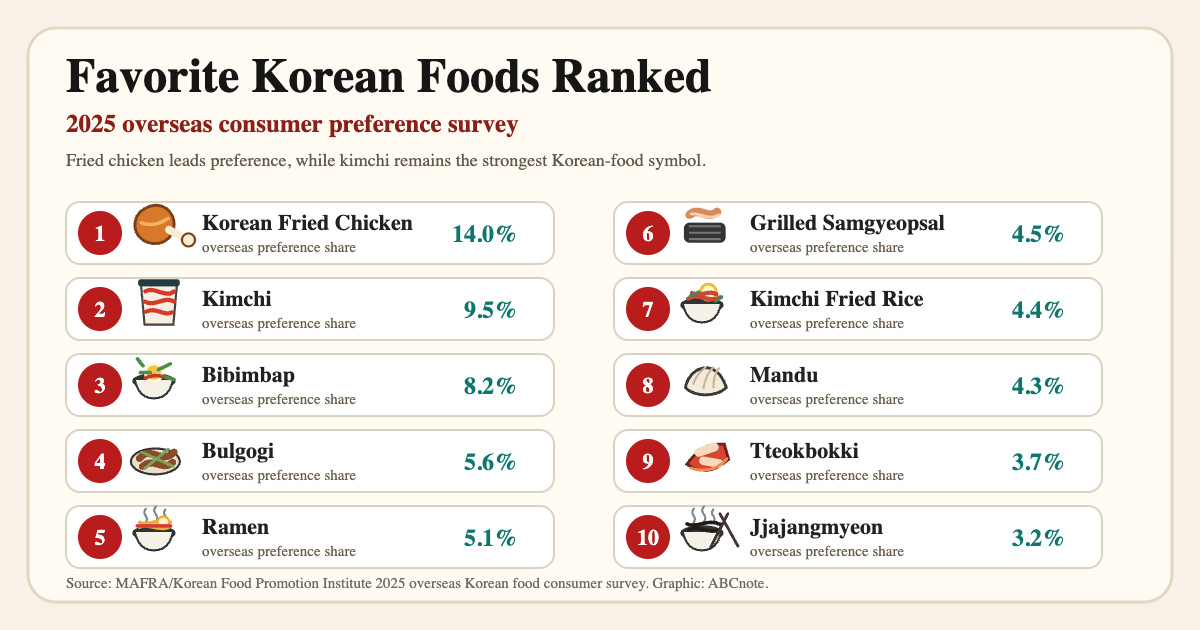
In the 2025 Survey on Korean Food Consumption of Overseas Consumers, conducted by Korea’s Ministry of Agriculture, Food and Rural Affairs (MAFRA) and the Korean Food Promotion Institute (KFPI), 11,000 consumers in 22 major cities were surveyed from July 3 to August 25, 2025. The results give us a much clearer picture of what people abroad are actually choosing and enjoying.
Top 5 Korean foods foreigners loved most in the 2025 survey
- Korean-style fried chicken — 14.0%
- Kimchi — 9.5%
- Bibimbap — 8.2%
- Bulgogi — 5.6%
- Korean ramyeon — 5.1%
What makes this ranking interesting is not only who won. It shows how the image of Korean food is changing. Fried chicken now leads the list, while ramyeon has climbed into the Top 5 alongside older ambassadors such as kimchi, bibimbap, and bulgogi.
I have lived in the United States for eight years, and that change is easy to feel in everyday life. When I first came here, kimchi and bulgogi were the Korean foods many Americans around me recognized first. Today, Korean fried chicken and ramyeon feel much more visible. Korean food is no longer something people try once because it is different. More people are coming back because they genuinely crave it.
Korean popular culture is part of that shift. The 2025 survey found that 65.1% of respondents said Korean cultural content such as K-dramas, K-pop, or films made them interested in Korean food or led them to try it. That matches what we have seen for years: My Love from the Star helped turn chimaek—fried chicken and beer—into a cultural export; Extraordinary Attorney Woo made gimbap instantly recognizable to viewers; and Parasite introduced millions of people to jjapaguri, translated in the film as ram-don.
So if you are trying Korean food for the first time, the 2025 ranking is a very practical place to begin. Here is what each of the Top 5 tastes like, why it works so well internationally, and what I would order as a beginner.
1. Korean-Style Fried Chicken — 14.0%
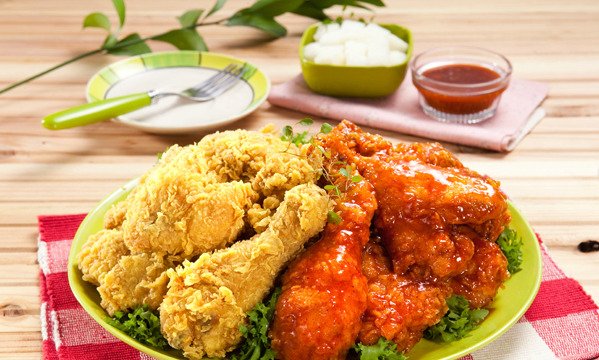
Korean-style fried chicken is No. 1, and I am not surprised.
The basic idea is familiar to almost everyone: crispy chicken. But Korean chicken restaurants take that familiar starting point and push it in a different direction. The crust is often thinner and crunchier, the pieces stay crisp under sauce better than many people expect, and the flavor choices go far beyond original or spicy. Soy garlic, sweet-spicy yangnyeom, honey-style sauces, cheese powders, scallion toppings, and extra-hot versions all give people a reason to come back and try another combination.
That familiarity is important. A person who has never eaten fermented kimchi or a bubbling Korean stew may still feel completely comfortable ordering fried chicken. The first bite does the rest.
Why beginners usually understand it immediately
There is almost no learning curve. You do not need to know how to mix it, wrap it, season it, or identify unfamiliar ingredients. You pick a flavor, share it with friends, and eat.
But the Korean part is still clear. Yangnyeom chicken has that glossy sweet-spicy character. Soy garlic has a savory-sweet balance that works beautifully with crisp skin. Pickled radish cuts through the richness. And when beer enters the picture, the meal becomes chimaek—one of the most recognizable modern Korean food rituals.
My take
In the U.S., Korean chicken is one of the foods that makes the growth of K-food feel real to me. People do not need a long explanation anymore. They know what it is, they have favorite sauces, and they are willing to pay more than they would for ordinary fast-food chicken because the experience feels different.
If you are a beginner: order half soy garlic and half yangnyeom if the restaurant offers it. That gives you one mild savory side and one classic sweet-spicy side without making the whole meal too hot.
2. Kimchi — 9.5%
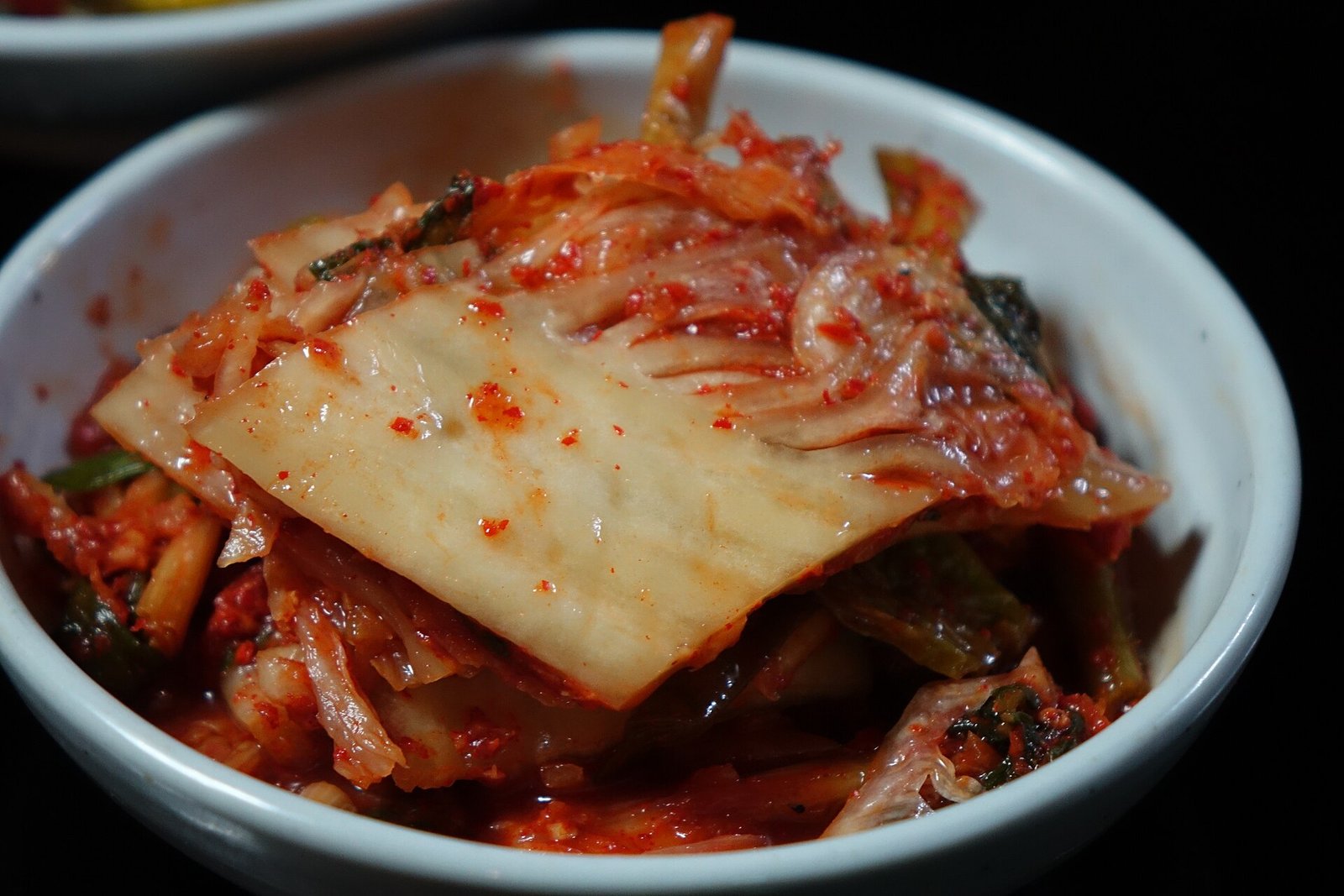
Kimchi is still the food most strongly associated with Korea, even though it no longer holds the No. 1 preference spot.
That distinction matters. Fried chicken may be the favorite, but kimchi is still the identity dish. A Korean table without kimchi can feel incomplete in the same way a Western meal can feel strange without bread, potatoes, or some familiar staple on the side.
For a first-time eater, kimchi can be more challenging than fried chicken or bulgogi. It is fermented. It can be sour, spicy, garlicky, crisp, soft, fresh, or deeply aged depending on the style. Someone expecting a simple cabbage pickle can be surprised by how much is going on.
Why people grow into it
Kimchi makes more sense when you stop treating it as a snack by itself and start eating it the Korean way: as part of a meal. A bite of kimchi after fatty pork, with a spoonful of rice, beside a mild soup, or inside fried rice suddenly explains why it has lasted for generations.
It is not there only to be spicy. It adds acidity, texture, fermentation, and freshness to rich foods.
My take
When I first moved to the U.S., kimchi still felt like a food that required explanation. Today it is much easier to find in mainstream grocery channels, and more Americans already know what it is. That is a major change.
At the same time, not every product sold as kimchi tastes like the kimchi Korean families grew up with. Some versions are sweeter, milder, or closer to pickled vegetables. That is not necessarily bad—it is part of food adapting to a new market—but if you want to understand the classic flavor, start with baechu kimchi, the napa-cabbage version.
If you are a beginner: do not start by eating a large piece alone. Try a small bite with rice and grilled meat. The combination is the point.
3. Bibimbap — 8.2%
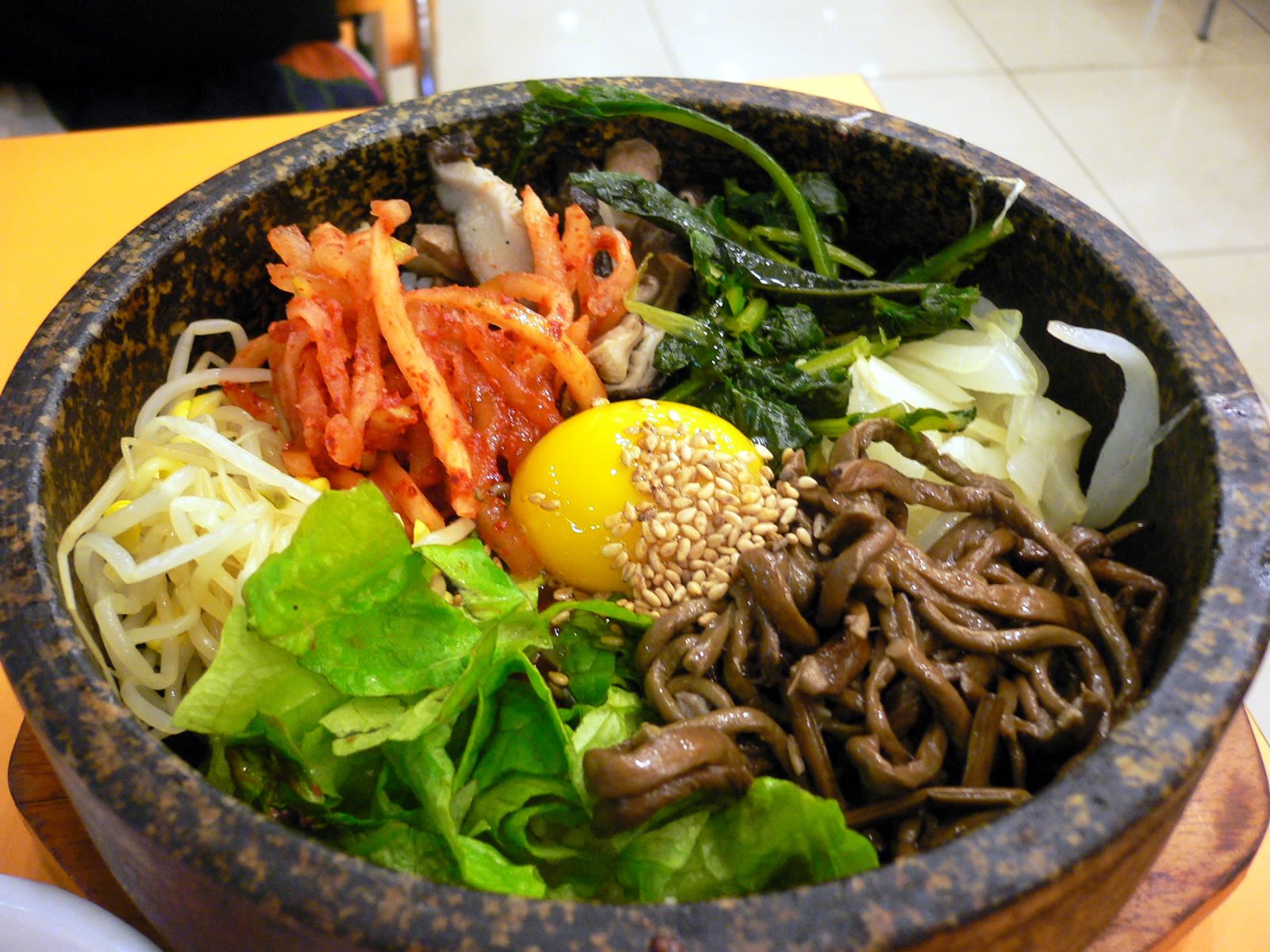
Bibimbap is probably the most visually self-explanatory dish in the Top 5.
You see rice, vegetables, egg, meat or another protein, sesame, and red gochujang arranged in one bowl. Nothing feels too mysterious. That makes it an excellent first full Korean meal.
The magic happens after it arrives. Bibimbap literally asks you to mix everything together. The vegetables stop being separate toppings. The egg coats the rice. Sesame oil adds aroma. Gochujang brings sweetness, salt, fermentation, and heat. The bowl changes from something carefully arranged into something intentionally messy—and much better.
Why it travels so well
Bibimbap fits many modern eating preferences without losing its Korean identity. It can work with beef, chicken, tofu, mushrooms, or just vegetables. People who want more spice can add gochujang. People who are cautious can start with less. It feels substantial without being as heavy as fried food or barbecue.
And then there is dolsot bibimbap.
If you have the choice, I recommend the hot stone bowl. The heat keeps the meal warm and creates a layer of crisp rice at the bottom. That texture is one of the best parts of the dish. Do not rush to scrape it immediately—let the rice sit against the hot bowl for a little while and get crispy.
My take
For someone who tells me, I want to try Korean food, but I do not know where to start, bibimbap is one of my safest recommendations. It shows the Korean idea of balance better than almost any single dish: rice, vegetables, protein, fermented sauce, sesame, soft textures, crisp textures, hot and fresh elements all in one bowl.
If you are a beginner: add gochujang little by little. You can always add more; you cannot take it back out.
4. Bulgogi — 5.6%
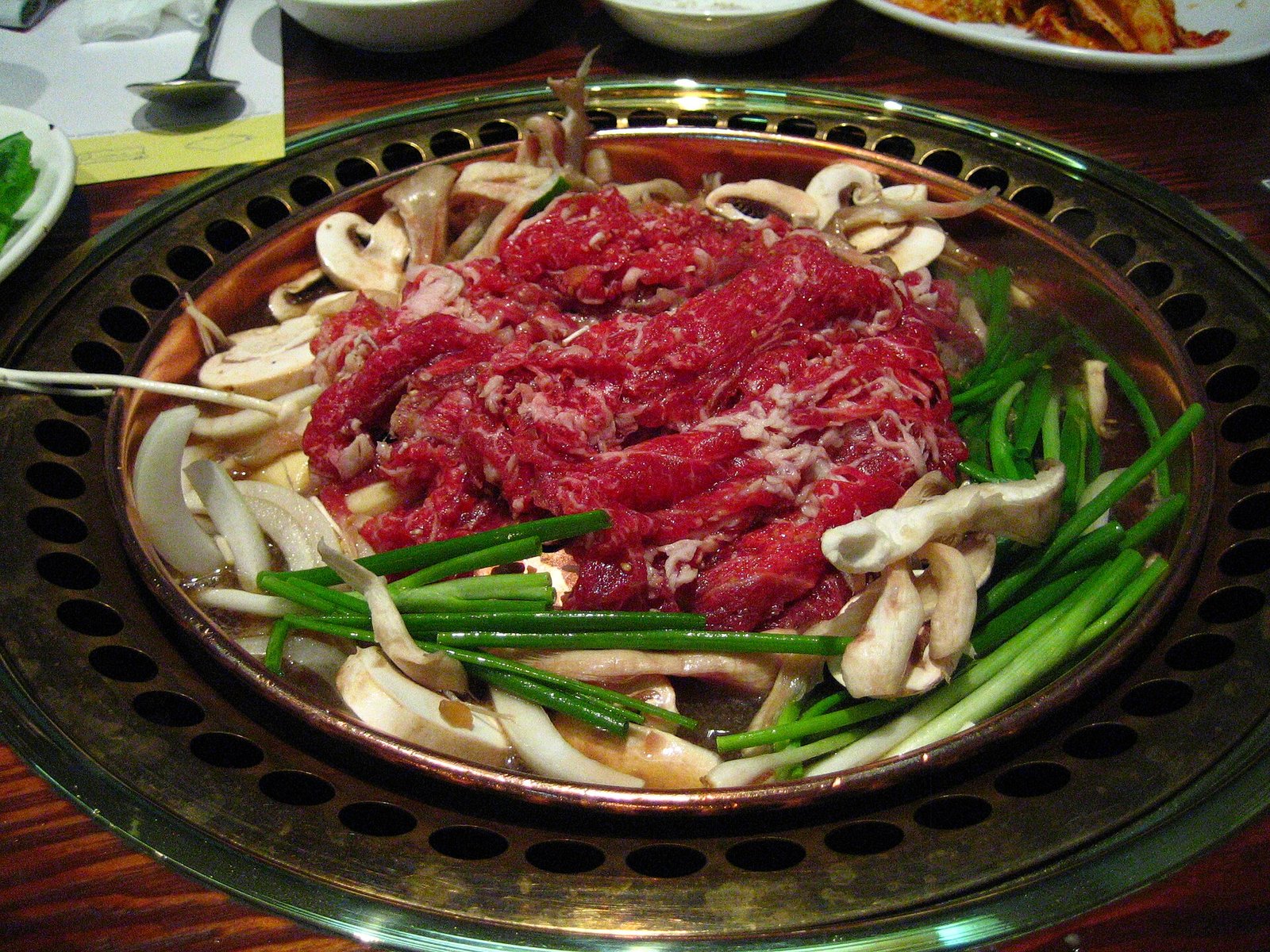
Bulgogi is the old reliable of Korean food abroad.
Long before Korean fried chicken chains and spicy ramyeon challenges became global trends, bulgogi was one of the dishes Koreans recommended to foreign friends because it was so easy to like.
Thin slices of beef are marinated in a soy-based mixture that commonly includes garlic, sesame oil, sugar or another sweetener, and often pear or onion. The result is savory, slightly sweet, aromatic, and usually not spicy.
Why it remains a gateway dish
Bulgogi does not demand much from the diner. If you like grilled or stir-fried beef, you already understand the basic appeal. The Korean difference comes from the marinade, sesame aroma, side dishes, and the way it is eaten with rice.
That makes bulgogi especially useful when a group includes people with different spice tolerances. You can put spicy dishes elsewhere on the table while bulgogi gives everyone a comfortable center.
My take
Bulgogi may not feel as trendy as fried chicken or ramyeon right now, but I would never remove it from a beginner list. Trends change; accessibility does not.
I also think bulgogi becomes even better when it is served with glass noodles. The noodles absorb the sweet-savory broth and marinade, and with rice on the side it becomes a very satisfying meal.
If you are a beginner: order bulgogi when you want a low-risk first Korean meal, especially if you do not enjoy spicy food.
5. Korean Ramyeon — 5.1%
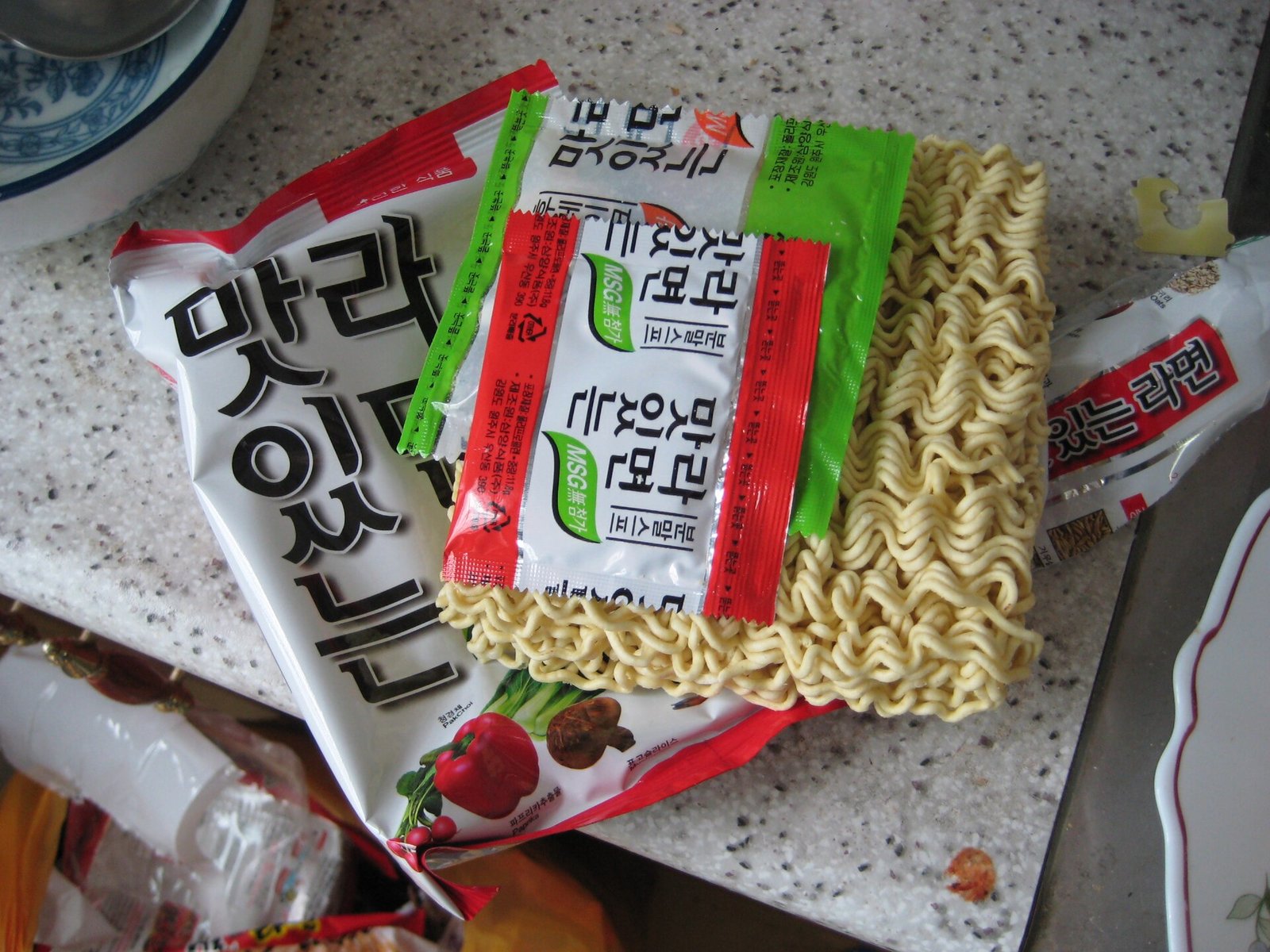
Ramyeon is only No. 5 in the 2025 ranking, but this is the food I would watch most closely.
Why? Because ramyeon does not need a Korean restaurant.
That is a huge advantage. A person can discover Korean ramyeon through a drama, a YouTube video, a convenience-store clip, a spicy-food challenge, or a supermarket shelf—and try it at home the same day. Few Korean foods travel that easily.
Why ramyeon has so much momentum
Korean ramyeon has multiple entry points. Shin Ramyun is a classic spicy soup noodle. Buldak became globally recognizable through extreme-spice challenges and short-form video. Cup noodles make Korean flavors portable. Newer products experiment with cream sauces, cheese, black bean flavors, seafood, curry, and much more.
Then Korean entertainment keeps reinforcing the habit. People see characters cooking noodles late at night, adding egg, green onion, cheese, rice cakes, dumplings, or leftover meat. Ramyeon is presented not as formal cuisine but as everyday comfort food. That makes it easy to imagine eating.
My take
If I compare the Korean-food landscape in the U.S. today with what I saw years ago, ramyeon feels like one of the clearest growth stories. It is inexpensive enough to try without much risk, easy to store, easy to customize, and strong enough in flavor to be memorable after one bowl.
I would not be surprised if ramyeon moves higher in future preference surveys.
If you are a beginner: do not start with the hottest product just because it is famous online. Start with a standard soup ramyeon, add an egg and green onion, and learn the basic flavor first.
What Changed? Korean Food Is No Longer Just Kimchi and Bulgogi
The most important part of the 2025 ranking is the bigger pattern behind it.
Kimchi and bulgogi still matter. They are foundational Korean foods and they remain in the Top 5. But the newer global image of Korean food is wider, more casual, and more connected to entertainment and everyday eating.
Fried chicken works at a party. Ramyeon works at midnight. Bibimbap works as a balanced lunch. Bulgogi works for someone who hates spicy food. Kimchi works as the flavor that ties the whole table together.
And consumers are not merely curious. In the same 2025 survey, 94.2% of people who had tried Korean food said they were satisfied, and 80.6% said they intended to eat Korean food again. That repeat-intent figure passed 80% for the first time.
That is the part I find more important than any single trend. Korean food is moving from discovery to habit.
Bonus: Keep an Eye on Korean Gim
Gim—roasted Korean seaweed—is not in this Top 5, but I think it deserves a quick mention because it shows another way Korean food is adapting abroad.
For many Koreans, gim is something you naturally eat with rice. Wrap a little rice in a crisp sheet, and that is enough. In the U.S., however, I see more people treating roasted seaweed as a standalone snack.
That still feels a little funny to me because my instinct is to look for the rice. But it also explains the product’s potential. Gim is light, portable, savory, easy to portion, and does not require cooking. It can stay part of a traditional Korean meal while also becoming a mainstream snack.
So, What Should a Beginner Try First?
If you are choosing your first Korean meal, I would not simply order No. 1 through No. 5. Start with the experience you want.
Want the easiest crowd-pleaser?
Korean-style fried chicken.
Want one complete, balanced meal?
Bibimbap.
Do not like spicy food?
Bulgogi.
Want to understand a true Korean table?
Eat kimchi with rice and grilled meat instead of trying it by itself.
Want the easiest Korean food to try at home?
Ramyeon.
Then branch out. Try gimbap, tteokbokki, samgyeopsal, sundubu jjigae, kimchi jjigae, mandu, japchae, or regional dishes that never make global Top 5 lists but are part of everyday Korean eating.
Final Thoughts
The 2025 ranking feels different from the Korean-food story many of us grew up telling foreigners.
For years, the introduction was almost automatic: Korea? Kimchi and bulgogi. Those foods are still important, but they now share the stage with fried chicken and ramyeon—foods that are casual, social, highly visible in Korean entertainment, and easy to repeat.
That evolution is a good thing. A cuisine becomes truly global when people stop treating it like a cultural assignment and start deciding, on an ordinary Friday night, I feel like Korean chicken, or opening the pantry because they are craving ramyeon.
That is where Korean food seems to be now.
Sources
- Ministry of Agriculture, Food and Rural Affairs (MAFRA), The Results of the Survey on the Korean Food Consumption of Overseas Consumers, Nov. 27, 2025.
- Korea.net, Nation’s fried chicken voted world’s favorite Korean food, Nov. 24, 2025.
- Korea.net, Soap opera drums up chimaek fever.
- Korea.net, discussion of gimbap in Extraordinary Attorney Woo.
- Korea.net, interview on the ram-don translation of jjapaguri in Parasite.
Survey note: the percentages above come from the 2025 MAFRA/KFPI overseas Korean food consumer survey. They represent survey preference results, not a universal ranking of every foreign consumer in every country.